
Technology
A-List Talks with Ringling College’s Dr. Davis Schneiderman
By Marcus Chen
Advertisement · Why this ad?
Katherine oversees editorial operations across all six brands. Before joining The Meridan Group, she spent 14 years at the Minneapolis Star Tribune, where she led the metro desk through its digital transformation. She holds a Master's in Journalism from Northwestern's Medill School.
More from Katherine →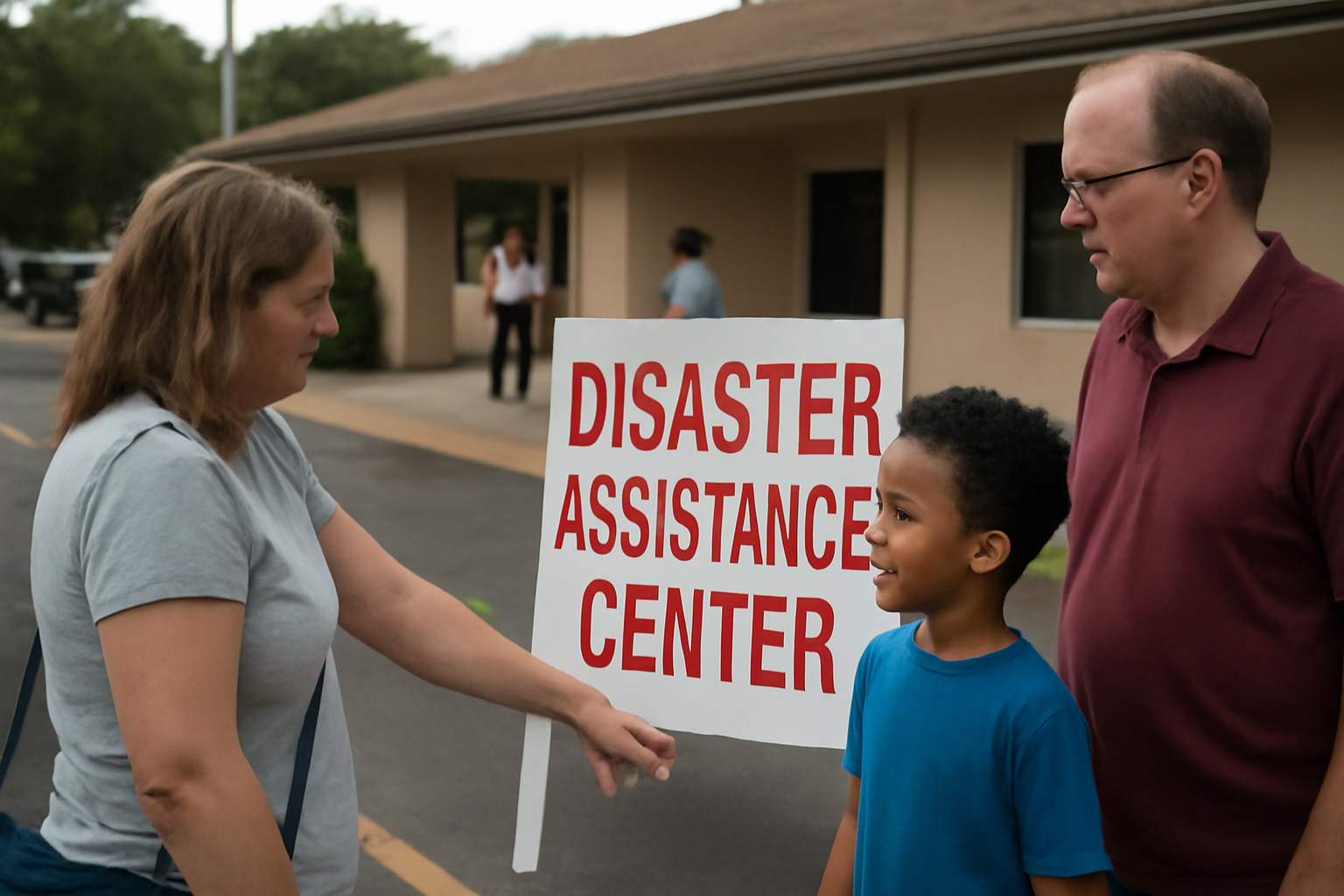
As the sun rose over the Panhandle, the echoes of Hurricane Isaias still lingered in the air. Families sifted through debris, and businesses assessed damage, all while grappling with the emotional toll of the storm. In this challenging time, hope arrived in the form of Multi-Agency Resource Centers (MARCs), set to open across several counties to assist those affected by the hurricane.
Hurricane Isaias made landfall near Destin as a Category 2 storm, leaving a path of destruction that prompted immediate action from the Florida Division of Emergency Management. In response to the urgent need for assistance, MARCs will begin operations in Escambia and Holmes counties starting Thursday, followed by Bay, Santa Rosa, and Walton counties on Friday. These centers are designed to provide one-on-one support to residents and business owners grappling with the aftermath of the storm.
The MARCs will be open daily from 7 a.m. to 7 p.m. Central time, offering a critical lifeline for those seeking help. Residents are encouraged to apply for disaster assistance, which can also be done online at DisasterAssistance.gov, by calling 800-621-3362, or through the FEMA App. This multifaceted approach ensures that help reaches those in need as quickly as possible.
The opening of MARCs represents a significant step toward recovery for many families and businesses. Local leaders have expressed gratitude for the swift response from state and federal agencies, recognizing the importance of these centers in the healing process. "We are thankful for the support that is coming to our communities during this difficult time," said Escambia County Commissioner Steven Barry. "These centers will be crucial in helping our residents navigate the recovery process and access the resources they need to rebuild their lives."
Community members have already begun to share their stories of resilience. At the Brownsville Community Center in Pensacola, the designated location for Escambia County's MARC, residents gathered not only to seek assistance but also to connect with one another. For many, this gathering of shared experience fosters a sense of hope and solidarity amidst the chaos. "We’re all in this together," said local resident Maria Gonzalez, who lost her home in the storm. "It’s comforting to know that we have support and that we’re not alone in this fight to rebuild."
The MARCs will offer a variety of resources to assist those affected by Hurricane Isaias. Services will include help with applying for federal disaster assistance, housing resources, and guidance on rebuilding efforts. Additionally, representatives from various agencies will be on hand to provide information about mental health resources, which are crucial in the aftermath of such traumatic events.
In Holmes County, the First Baptist Church will serve as the MARC, where residents can access similar services. These centers represent a collaborative effort among local, state, and federal agencies to ensure that no one is left behind in the recovery process. As families begin to rebuild their lives, the importance of community support cannot be overstated.
Residents in the affected counties should take immediate steps to access the assistance available through the MARCs. The process begins with visiting a center in person, where trained staff can guide individuals through the necessary steps to apply for aid. For those unable to visit in person, online applications are available at DisasterAssistance.gov, and assistance can also be obtained by calling 800-621-3362.
As the MARCs open their doors, it is essential for residents to gather the necessary documentation to expedite the assistance process. This includes identification, proof of residence, and any other relevant information that may help in the application for disaster relief. The more prepared individuals are, the smoother the process will be, allowing them to focus on recovery.
The opening of MARCs is just the beginning of a long recovery journey for the residents of the Panhandle. As the community comes together to support one another, the resilience and strength of the people will play a vital role in the rebuilding process. Local leaders are already discussing long-term recovery plans that will address not only the immediate needs but also the future stability of the area.
In addition to the MARCs, organizations such as the Florida Disaster Recovery Center and local non-profits will continue to provide support and resources to those in need. The community is reminded that recovery is a marathon, not a sprint, and it will require ongoing commitment and collaboration among all stakeholders.
As we delve deeper into the community's experience, it becomes clear that the impact of Hurricane Isaias extends beyond physical damage. Many residents have faced significant emotional challenges as they cope with the loss of their homes and possessions. The MARCs not only provide practical assistance but also serve as a place for emotional healing. Volunteers and mental health professionals have stepped in to offer counseling services, helping individuals process their trauma and find ways to move forward.
One such volunteer, Dr. Emily Johnson, a local psychologist, shared her insights on the importance of mental health support during disasters. "The psychological impact of a hurricane can be just as devastating as the physical destruction," she explained. "We are here to listen and help people navigate their feelings of loss, anxiety, and uncertainty." Her presence at the MARC highlights the commitment of the community to support one another holistically.
In the wake of the hurricane, many residents have stepped up to offer their time and resources to help their neighbors. Local organizations are actively seeking volunteers to assist at the MARCs and in recovery efforts throughout the region. Opportunities range from helping with paperwork to distributing supplies and providing emotional support. This spirit of volunteerism not only aids in recovery but also strengthens community bonds.
Local resident and volunteer coordinator, James Thompson, emphasized the importance of community involvement. "We have seen an outpouring of support from people who want to help," he said. "It’s inspiring to see neighbors coming together to lift each other up during these tough times. We encourage anyone who wants to help to reach out and get involved."
As we move forward, it is crucial to remember the importance of community ties and the strength that comes from unity. Families that stay together and support one another during challenging times emerge stronger. The Panhandle community has shown remarkable resilience, and with the continued support of MARCs and other resources, there is hope for a brighter future.
By Marcus Chen
By Katherine Langford

By Marcus Chen

By Katherine Langford